← Toutes les actualités

Budget 2027 : les cinq priorités adoptées en Conseil des ministres
📊🇲🇦 Le Roi Mohammed VI a présidé le samedi 17 octobre un Conseil des ministres consacré au projet de loi de finances 2027. Croissance attendue de 4,7 % fin 2026, inflation 0,7 %, déficit ramené à 3 % du PIB, 25 milliards de dirhams pour les territoires. #PLF2027 #Maroc #المغرب #Morocco
Jours fériés au Maroc : les prochains, et les ponts à poser →
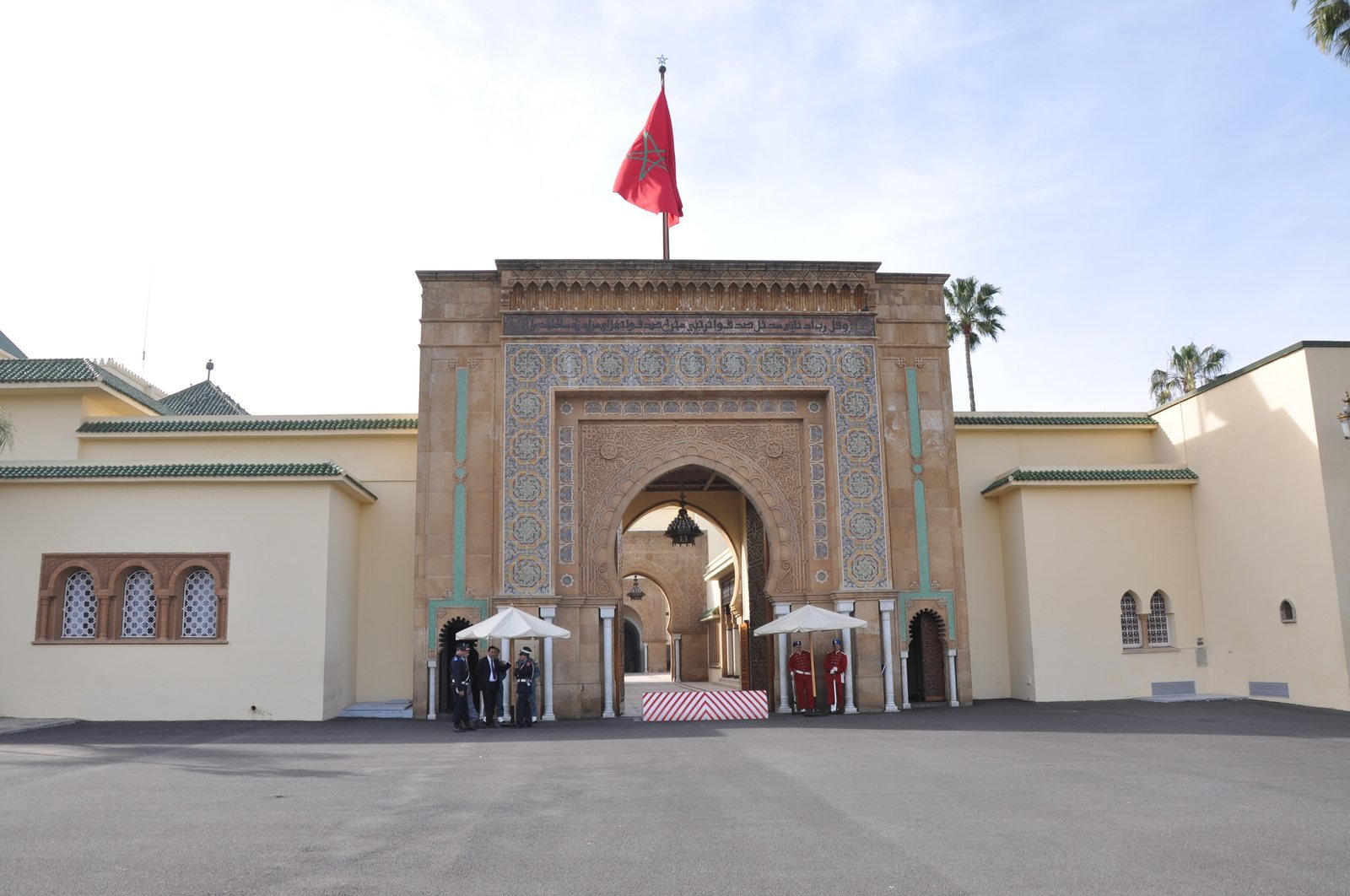
Porte monumentale du palais royal de Rabat, ornée de zelliges et surmontée du drapeau marocain, avec des gardes à l'entrée
L'une des portes du palais royal de Rabat, en janvier 2011. Photo : Jorge Láscar, CC BY 2.0, via Wikimedia Commons

Mise à jour du 23 octobre : Fouzi Lekjaa a présenté le projet de loi de finances 2027 (n° 60.26) le vendredi 23 octobre devant les deux Chambres du Parlement réunies en séance commune. Mesure phare : les salaires nets mensuels inférieurs à 10 000 dirhams seront exonérés de l'impôt sur le revenu à partir du 1er janvier 2027. Selon le ministre, 87 % des salariés ne paieront plus d'IR, le gain avoisinera 500 dirhams par mois pour la plupart d'entre eux, et la mesure coûtera environ 5,5 milliards de dirhams en 2027. Selon le texte du projet, la tranche exonérée passe de 40 000 à 60 000 dirhams de revenu net imposable annuel dès le 1er janvier 2027 ; le reste du barème est revu chaque année jusqu'en 2031, pour aboutir à trois tranches imposables (10 %, 20 % et 30 %) et à un taux le plus élevé ramené de 37 % à 30 %. Le texte doit encore être examiné et voté par le Parlement.

Les autres chiffres du projet (discours du ministre, note de présentation et texte du projet, publiés le 23 octobre sur le site du ministère de l'Économie et des Finances) :
• Retraites : pension minimale portée à 1 700 dirhams par mois en 2027, première étape vers 3 000 dirhams ; plus de 500 000 retraités concernés, dont 150 000 veuves, selon le ministre.
• Veuves : pension de réversion portée de 50 % à 100 % de la pension du conjoint décédé, pour 431 000 bénéficiaires selon le ministre. Les deux mesures de retraite coûteront plus de 10 milliards de dirhams en 2027 ; leur périmètre reste à arrêter.
• Électricité : l'État prendra en charge toute facture mensuelle inférieure ou égale à 100 dirhams, soit environ 6 millions d'abonnés (60 % des clients) pour 2,8 milliards de dirhams, selon le ministre.
• Aide sociale directe : montant minimum porté de 500 à 600 dirhams par mois en 2027, première étape vers 1 000 dirhams (3 milliards de dirhams en 2027).
• Emplois publics : 34 454 postes budgétaires, dont 500 attribués par la cheffe du gouvernement (200 réservés aux personnes en situation de handicap).
• Santé : 45,4 milliards de dirhams (42,4 en 2026) et 8 000 postes ; éducation et enseignement supérieur : 121,3 milliards et 17 874 postes.
• Investissement du budget général : 138,03 milliards de dirhams de crédits de paiement (136,11 en 2026).
• Gaz butane, sucre et farine : 19,4 milliards de dirhams de soutien des prix.
• Le gouvernement prévoit une croissance de 3,7 % en 2027, un déficit de 3 % du PIB et une dette du Trésor à 66,9 % du PIB.

S.M. le Roi Mohammed VI a présidé le samedi 17 octobre 2026 (5 Joumada al-Oula 1448), au palais royal de Rabat, un Conseil des ministres consacré à l'examen et à l'adoption des orientations générales du projet de loi de finances (PLF) pour l'année 2027, selon le communiqué du Cabinet royal. C'est le premier Conseil des ministres du gouvernement de Fatima Ezzahra El Mansouri, nommé la veille. Conformément à l'article 49 de la Constitution, le ministre de l'Économie, des Finances et de la Performance publique, Fouzi Lekjaa, a présenté au Souverain les grandes lignes du projet.

Les chiffres annoncés
Le ministre a situé le projet dans un environnement international « profondément instable », marqué par le coût des conflits géostratégiques, la montée du protectionnisme et la concurrence autour de l'énergie, de la technologie et du financement. Selon le communiqué, l'économie nationale devrait enregistrer une croissance de 4,7 % à la fin de 2026, avec une inflation contenue à 0,7 %, et le déficit budgétaire devrait être ramené à 3 % du PIB. Le 13 octobre, le FMI prévoyait pour sa part 4,5 % de croissance en 2026, et le cadrage du budget présenté au Parlement en juillet par la ministre d'alors, Nadia Fettah, tablait sur 5,3 %.

Les cinq priorités du PLF 2027
1. Le pouvoir d'achat et l'État social : une réforme structurelle des marchés et des prix engagée à partir de 2027, des mesures de soutien au pouvoir d'achat, la poursuite de la généralisation de la couverture médicale et la soutenabilité de ses régimes, la revalorisation de l'aide sociale directe, la mise à niveau de la santé et de l'éducation publiques et le programme d'aide directe au logement.
2. Les jeunes dans l'éducation, la formation et l'emploi : un programme national intégré pour les jeunes 2027-2031, qui les oriente vers des programmes de formation, d'incubation et d'accès au financement, à la garantie et aux marchés.
3. La régionalisation avancée : la réorganisation des compétences des régions, la coordination et la contractualisation entre l'État et les régions, la pleine mise en œuvre de la Charte nationale de la déconcentration administrative, et la nouvelle génération des programmes de développement territorial intégré, dotée de crédits de l'ordre de 25 milliards de dirhams.
4. La souveraineté hydrique, énergétique, alimentaire et numérique : la sécurité de l'eau, le programme des énergies renouvelables, l'offre Maroc pour l'hydrogène vert, la feuille de route de l'infrastructure gazière, la sécurité alimentaire et la souveraineté numérique.
5. Une économie forte, capable de financer ces ambitions : les grands chantiers et les stratégies sectorielles, les réformes institutionnelles, les équilibres macroéconomiques et budgétaires, et de nouveaux écosystèmes industriels.

Le projet accorde aussi une place à l'investissement privé, avec les mécanismes de la Charte de l'investissement, la poursuite de la réforme des Centres régionaux d'investissement et le soutien aux très petites, petites et moyennes entreprises. Pour les jeunes, le communiqué parle de dépasser des « programmes sectoriels dispersés ayant montré leurs limites » au profit d'une politique nationale qui suit leur parcours, de l'école et de la formation jusqu'à l'emploi et au logement.

Et ensuite ?
Ce sont des orientations : le détail des mesures, notamment fiscales, sera connu avec le texte du projet de loi de finances, que la loi organique relative à la loi de finances fait déposer à la Chambre des représentants au plus tard le 20 octobre, avant son examen par les deux chambres du Parlement.

← Toutes les actualités
→ كل الأخبار

ميزانية 2027: الأولويات الخمس التي صادق عليها المجلس الوزاري

📊🇲🇦 ترأس جلالة الملك محمد السادس يوم السبت 17 أكتوبر مجلسا وزاريا خصص للتوجهات العامة لمشروع قانون المالية 2027. نمو متوقع بـ4,7% نهاية 2026، وتضخم في حدود 0,7%، وعجز في حدود 3% من الناتج الداخلي الخام، و25 مليار درهم للتنمية الترابية. #قانون_المالية #المغرب #Maroc #Morocco
العطل الرسمية بالمغرب: القادمة منها، والقناطر ←
البوابة الضخمة للقصر الملكي بالرباط المزينة بالزليج ويعلوها العلم المغربي، مع حراس عند المدخل
إحدى بوابات القصر الملكي بالرباط، في يناير 2011. صورة: Jorge Láscar, CC BY 2.0, عبر Wikimedia Commons

تحديث 23 أكتوبر: قدّم فوزي لقجع مشروع قانون المالية 2027 (رقم 60.26) يوم الجمعة 23 أكتوبر أمام مجلسي البرلمان في جلسة مشتركة. أبرز إجراء: إعفاء الأجور الشهرية الصافية التي تقل عن 10 آلاف درهم من الضريبة على الدخل ابتداءً من فاتح يناير 2027. وحسب الوزير، لن يؤدي 87 في المائة من الأجراء هذه الضريبة، وسيناهز المكسب نحو 500 درهم شهرياً لأغلبهم، وستبلغ كلفة الإجراء نحو 5.5 مليارات درهم سنة 2027. وحسب نص المشروع، يرتفع الشطر المعفى من 40 ألفاً إلى 60 ألف درهم من الدخل الصافي السنوي الخاضع للضريبة ابتداءً من فاتح يناير 2027، ويُراجَع باقي الجدول كل سنة إلى غاية 2031، ليصل إلى ثلاثة أشطر خاضعة للضريبة (10 و20 و30 في المائة) وإلى خفض أعلى سعر من 37 إلى 30 في المائة. ولا يزال النص في حاجة إلى دراسة البرلمان والتصويت عليه.

أرقام أخرى في المشروع (كلمة الوزير ومذكرة التقديم ونص المشروع، المنشورة يوم 23 أكتوبر على موقع وزارة الاقتصاد والمالية):
• التقاعد: رفع الحد الأدنى للمعاش إلى 1700 درهم شهرياً سنة 2027، كمرحلة أولى نحو 3000 درهم؛ ويستفيد منه أزيد من 500 ألف متقاعد، منهم 150 ألف أرملة، حسب الوزير.
• الأرامل: رفع معاش الأرملة من 50 إلى 100 في المائة من معاش الزوج المتوفى، لفائدة 431 ألف مستفيدة حسب الوزير. وتفوق كلفة إجراءي التقاعد 10 مليارات درهم سنة 2027، ولم يُحدَّد نطاقهما بعد.
• الكهرباء: تتحمل الدولة كل فاتورة شهرية تقل عن 100 درهم أو تساويها، أي نحو 6 ملايين مشترك (60 في المائة من الزبائن) بكلفة 2.8 مليار درهم، حسب الوزير.
• الدعم الاجتماعي المباشر: رفع الحد الأدنى من 500 إلى 600 درهم شهرياً سنة 2027، كمرحلة أولى نحو 1000 درهم (3 مليارات درهم سنة 2027).
• التوظيف العمومي: 34.454 منصباً مالياً، منها 500 منصب تخصصها رئيسة الحكومة (200 منها للأشخاص في وضعية إعاقة).
• الصحة: 45.4 مليار درهم (42.4 مليار سنة 2026) و8000 منصب؛ التربية والتعليم العالي: 121.3 مليار درهم و17.874 منصباً.
• استثمار الميزانية العامة: 138.03 مليار درهم من اعتمادات الأداء (136.11 مليار سنة 2026).
• غاز البوتان والسكر والدقيق: 19.4 مليار درهم لدعم الأسعار.
• تتوقع الحكومة نمواً بنسبة 3.7 في المائة سنة 2027، وعجزاً في حدود 3 في المائة من الناتج الداخلي الخام، ومديونية للخزينة في حدود 66.9 في المائة.

ترأس جلالة الملك محمد السادس، يوم السبت 17 أكتوبر 2026 الموافق لـ5 جمادى الأولى 1448، بالقصر الملكي بالرباط، مجلسا وزاريا خصص للتداول والمصادقة على التوجهات العامة لمشروع قانون المالية برسم سنة 2027، حسب بلاغ الديوان الملكي. وهو أول مجلس وزاري لحكومة فاطمة الزهراء المنصوري التي عُيّنت في اليوم السابق. وطبقا لأحكام الفصل 49 من الدستور، قدم وزير الاقتصاد والمالية والنجاعة العمومية، فوزي لقجع، عرضا أمام جلالة الملك حول الخطوط العريضة للمشروع.

الأرقام المعلنة
أبرز الوزير أن المشروع يأتي في «ظرفية عالمية مضطربة» تتزايد فيها كلفة الصراعات الجيو-استراتيجية، وتتسع فيها النزعات الحمائية، وتشتد فيها المنافسة على الطاقة والتكنولوجيا والتمويل. وحسب البلاغ، من المتوقع أن يحقق الاقتصاد الوطني نموا في حدود 4,7% نهاية سنة 2026، مع احتواء التضخم في حدود 0,7%، وتقليص عجز الميزانية إلى 3% من الناتج الداخلي الخام. وكان صندوق النقد الدولي قد توقع يوم 13 أكتوبر نموا بنسبة 4,5% سنة 2026، فيما كان التأطير الذي قدمته الوزيرة السابقة نادية فتاح أمام البرلمان في يوليوز يتوقع 5,3%.

الأولويات الخمس لمشروع قانون المالية 2027
1. استعادة القدرة الشرائية وتوطيد أسس دولة اجتماعية مستدامة: إصلاح هيكلي للأسواق والأسعار انطلاقا من سنة 2027، وإجراءات لدعم القدرة الشرائية، ومواصلة تعميم التغطية الصحية وضمان استدامة أنظمتها، ورفع قيمة الدعم الاجتماعي المباشر، وتأهيل المنظومتين العموميتين للصحة والتعليم، وبرنامج الدعم المباشر للسكن.
2. إدماج الشباب في التعليم والتكوين والشغل اللائق: برنامج وطني مندمج للشباب 2027-2031، يوجههم نحو برامج تهم التكوين والمواكبة المهنية وتسهيل الولوج للتمويل والضمان والأسواق.
3. تسريع تنزيل الجهوية المتقدمة: إعادة هندسة اختصاصات الجهة، وتعزيز التنسيق والتعاقد بين الدولة والجهات، والتفعيل الكامل لميثاق اللاتمركز الإداري، والجيل الجديد من برامج التنمية الترابية المندمجة، باعتمادات تقدر بـ25 مليار درهم.
4. تعزيز السيادة المائية والطاقية والغذائية والرقمية: الأمن المائي، وتسريع برنامج الطاقات المتجددة، وعرض المغرب للهيدروجين الأخضر، وخارطة طريق البنية التحتية للغاز، والأمن الغذائي، والسيادة الرقمية.
5. بناء اقتصاد قوي قادر على تمويل الطموح الاجتماعي والسيادي: الأوراش والمشاريع الكبرى والاستراتيجيات القطاعية، والإصلاحات المؤسساتية، والتوازنات الماكرو اقتصادية والمالية، ومنظومات صناعية سيادية جديدة.

ويولي المشروع كذلك عناية خاصة للاستثمار الخاص، من خلال آليات الدعم التي ينص عليها ميثاق الاستثمار، ومواصلة إصلاح المراكز الجهوية للاستثمار، ودعم المقاولات الصغيرة جدا والصغرى والمتوسطة. وبخصوص الشباب، يتحدث البلاغ عن الانتقال من «تعدد البرامج القطاعية المتفرقة التي أبانت عن محدوديتها» إلى سياسة وطنية مندمجة تتتبع مسارهم من التعليم والتكوين إلى الشغل والسكن.

وماذا بعد؟
هذه توجهات عامة: ستُعرف تفاصيل الإجراءات، ولا سيما الجبائية، مع نص مشروع قانون المالية، الذي ينص القانون التنظيمي لقانون المالية على إيداعه بمكتب مجلس النواب في أجل أقصاه 20 أكتوبر، قبل دراسته من طرف مجلسي البرلمان.

→ كل الأخبار
← All news

2027 budget: the five priorities adopted by the Council of Ministers

📊🇲🇦 King Mohammed VI chaired a Council of Ministers on Saturday, October 17, on the 2027 finance bill. Expected growth of 4.7% at the end of 2026, inflation at 0.7%, a deficit brought down to 3% of GDP and 25 billion dirhams for the regions. #Budget2027 #Morocco #Maroc #المغرب
Public holidays in Morocco: the next ones, and the long weekends →
The monumental gate of the Royal Palace in Rabat, decorated with zellige tilework and topped by the Moroccan flag, with guards at the entrance
A gate of the Royal Palace in Rabat, January 2011. Photo: Jorge Láscar, CC BY 2.0, via Wikimedia Commons

Update of October 23: Fouzi Lekjaa presented the 2027 finance bill (no. 60.26) on Friday, October 23, to both Chambers of Parliament in joint session. The headline measure: net monthly salaries below 10,000 dirhams will be exempt from income tax from January 1, 2027. According to the minister, 87% of employees will no longer pay income tax, most of them will gain about 500 dirhams a month, and the measure will cost around 5.5 billion dirhams in 2027. Under the bill, the tax-free band rises from 40,000 to 60,000 dirhams of annual net taxable income on January 1, 2027; the rest of the scale is revised every year until 2031, ending with three taxed brackets (10%, 20% and 30%) and a top rate cut from 37% to 30%. Parliament has yet to examine and vote on the bill.

The bill's other figures (the minister's speech, the presentation note and the bill itself, published on October 23 on the Ministry of Economy and Finance's website):
• Pensions: the minimum pension rises to 1,700 dirhams a month in 2027, a first step towards 3,000 dirhams; over 500,000 pensioners, including 150,000 widows, according to the minister.
• Widows: the survivor's pension rises from 50% to 100% of the late spouse's pension, for 431,000 beneficiaries according to the minister. The two pension measures will cost over 10 billion dirhams in 2027; their exact scope is still to be set.
• Electricity: the State will pay any monthly bill of 100 dirhams or less, about 6 million customers (60% of the total), for 2.8 billion dirhams, according to the minister.
• Direct social aid: the monthly minimum rises from 500 to 600 dirhams in 2027, a first step towards 1,000 dirhams (3 billion dirhams in 2027).
• Public jobs: 34,454 budget posts, 500 of them allocated by the Head of Government (200 reserved for people with disabilities).
• Health: 45.4 billion dirhams (42.4 in 2026) and 8,000 posts; education and higher education: 121.3 billion and 17,874 posts.
• General-budget investment: 138.03 billion dirhams in payment appropriations (136.11 in 2026).
• Butane, sugar and flour: 19.4 billion dirhams of price support.
• The government expects 3.7% growth in 2027, a deficit of 3% of GDP and Treasury debt at 66.9% of GDP.

His Majesty King Mohammed VI chaired on Saturday, October 17, 2026 (5 Jumada al-Ula 1448), at the Royal Palace in Rabat, a Council of Ministers devoted to examining and adopting the general guidelines of the 2027 finance bill, according to the Royal Cabinet's statement. It was the first Council of Ministers of Fatima Ezzahra El Mansouri's government, appointed the day before. Under Article 49 of the Constitution, the Minister of the Economy, Finance and Public Performance, Fouzi Lekjaa, presented the main lines of the bill to the King.

The figures announced
The minister placed the bill in a "deeply unstable" international environment, marked by the cost of geostrategic conflicts, rising protectionism and competition over energy, technology and financing. According to the statement, the national economy is expected to grow by 4.7% by the end of 2026, with inflation contained at 0.7%, and the budget deficit is expected to be brought down to 3% of GDP. On October 13 the IMF forecast 4.5% growth for 2026, and the budget framework presented to Parliament in July by the then minister, Nadia Fettah, assumed 5.3%.

The five priorities of the 2027 finance bill
1. Purchasing power and the social state: a structural reform of markets and prices from 2027, measures to support purchasing power, continued extension of health coverage while keeping its schemes sustainable, higher direct social aid, upgrading public health and education, and the direct housing-aid programme.
2. Young people in education, training and decent work: an integrated national youth programme for 2027-2031, steering them towards training, incubation and access to financing, guarantees and markets.
3. Advanced regionalisation: reorganising the regions' powers, coordination and contracts between the State and the regions, full implementation of the National Charter of Administrative Deconcentration, and the new generation of integrated territorial development programmes, with appropriations of about 25 billion dirhams.
4. Water, energy, food and digital sovereignty: water security, the renewable-energy programme, the Morocco offer for green hydrogen, the gas infrastructure roadmap, food security and digital sovereignty.
5. A strong economy able to fund these ambitions: major projects and sector strategies, institutional reforms, macroeconomic and budgetary balances, and new industrial ecosystems.

The bill also gives weight to private investment, through the support mechanisms of the Investment Charter, the continued reform of the Regional Investment Centres and support for very small, small and medium-sized businesses. On young people, the statement speaks of moving beyond "scattered sector programmes that have shown their limits" to a national policy that follows them from school and training to work and housing.

What next?
These are guidelines: the detailed measures, tax measures in particular, will be known with the text of the finance bill, which the organic law on finance laws requires to be tabled at the House of Representatives by October 20 at the latest, before both houses of Parliament examine it.

← All news