← Toutes les actualités

Programme du gouvernement El Mansouri 2026-2031 : les chiffres clés
🏛️🇲🇦 Fatima Ezzahra El Mansouri a présenté le 19 octobre au Parlement le programme de son gouvernement pour 2026-2031 : aide sociale directe portée de 500 à 1 000 DH, pension minimale relevée à 3 000 DH, 12 milliards de DH par an pour les régions, croissance moyenne visée de 5 %. #Gouvernement #Maroc #المغرب #Morocco
Jours fériés au Maroc : les prochains, et les ponts à poser →
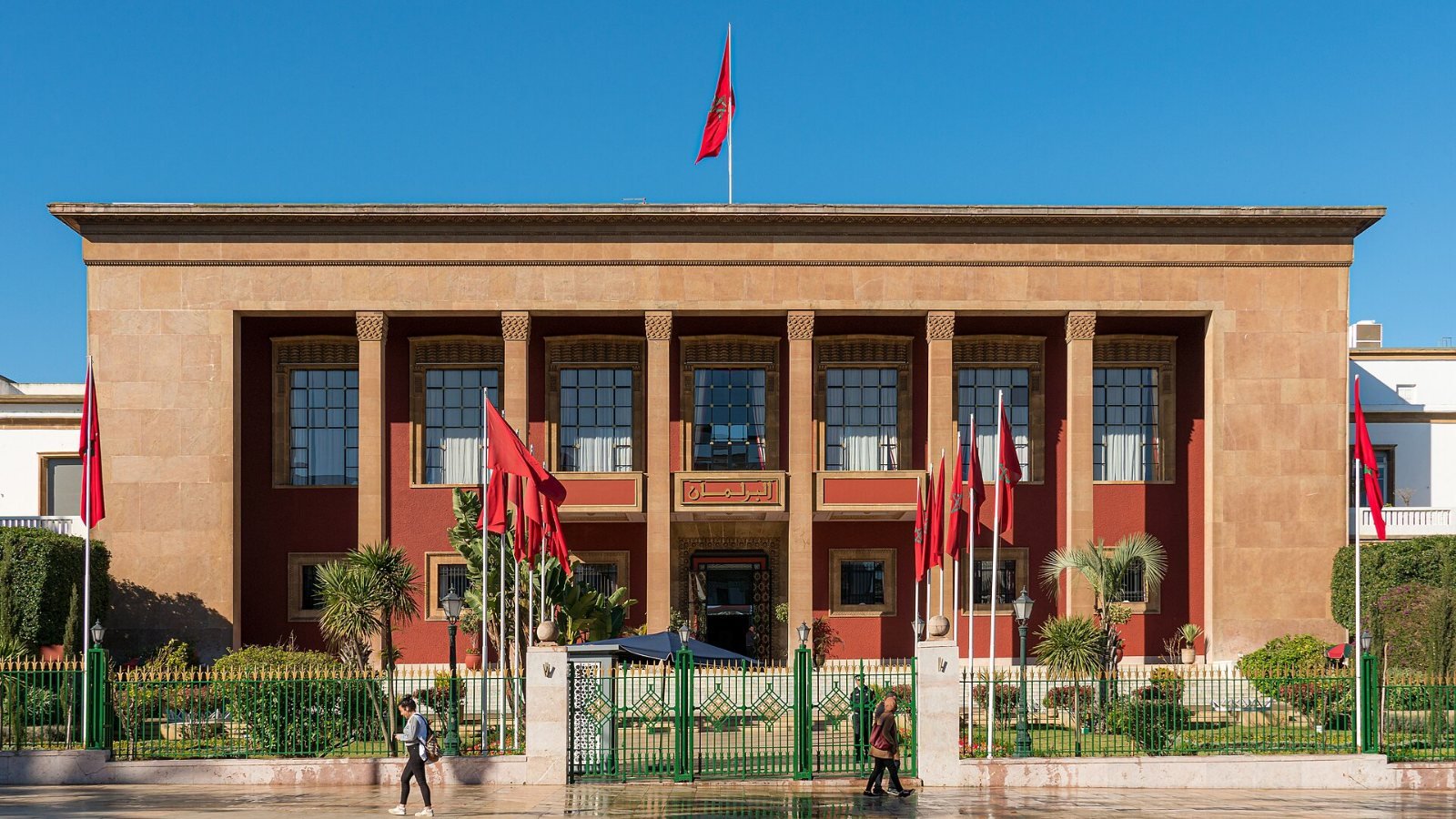
Façade en pierre ocre et rouge du siège du Parlement à Rabat, ornée de drapeaux marocains et de l'inscription « البرلمان », derrière sa grille verte, sous un ciel bleu
Le siège du Parlement à Rabat, où se réunissent les deux Chambres, en mars 2019. Photo : Fernando Pascullo, CC BY-SA 4.0, via Wikimedia Commons

Mise à jour du 23 octobre : la Chambre des représentants a accordé sa confiance au gouvernement le jeudi 22 octobre, en adoptant son programme par 204 voix contre 127. Le seuil de la majorité absolue, 198 voix sur 395, est dépassé : le gouvernement de Fatima Ezzahra El Mansouri est investi, conformément à l'article 88 de la Constitution. Le nombre d'abstentions n'a pas été communiqué.

Mise à jour du 21 octobre : la Chambre des conseillers a débattu du programme ce mercredi. Le vote de confiance a lieu le jeudi 22 octobre à la Chambre des représentants, seule à pouvoir investir le gouvernement : une première séance plénière à 10h est consacrée au débat des groupes parlementaires, une seconde à 18h à la réponse de la cheffe du gouvernement, suivie du vote. Le gouvernement est investi s'il obtient la majorité absolue des membres de la Chambre, soit au moins 198 voix sur 395 (article 88 de la Constitution). Cet article sera mis à jour avec le résultat.

La cheffe du gouvernement, Fatima Ezzahra El Mansouri, a présenté le lundi 19 octobre 2026 devant les deux Chambres du Parlement, réunies en séance commune à Rabat, le programme de son gouvernement pour la législature 2026-2031, conformément à l'article 88 de la Constitution. C'est la première étape après la nomination du gouvernement par le Roi le 16 octobre et le Conseil des ministres du 17 octobre consacré au budget 2027. Les engagements ci-dessous sont ceux du discours, tels que rapportés par la presse marocaine (Finances News Hebdo, Yabiladi, Medi1, LeSiteinfo) ; les médias concordent sur tous les chiffres cités.

Sept priorités
L'État de droit ; la lutte contre la corruption et la moralisation de la vie publique ; l'identité et la cohésion sociale ; des conditions de vie dignes et l'État social ; l'insertion des jeunes ; les souverainetés stratégiques ; une économie forte capable de financer ces engagements. « Nous voulons passer de l'élargissement de la couverture sociale à la qualité du service, du volume des investissements à leur rendement, et de la multiplication des programmes à leur intégration et à leur impact », a déclaré la cheffe du gouvernement.

Revenus et coût de la vie
• L'aide sociale directe passerait de 500 à 1 000 DH par mois d'ici la fin du mandat, avec un ciblage fondé sur les revenus effectifs des ménages.
• Le minimum des pensions principales serait relevé progressivement à 3 000 DH par mois dans les différents régimes, dans le cadre d'une réforme globale des retraites négociée avec les partenaires sociaux. Les veuves toucheraient 100 % de la pension principale du conjoint décédé, au lieu de 50 % aujourd'hui.
• Une compensation automatique, sans démarche, couvrirait la facture mensuelle d'électricité de la résidence principale des ménages éligibles lorsqu'elle ne dépasse pas 100 DH.
• Une réforme progressive de l'impôt sur le revenu est annoncée, ainsi que l'élargissement de l'indemnité pour perte d'emploi.
• Contre la hausse des prix : des plans d'approvisionnement pour les produits stratégiques, la réorganisation des circuits de la viande et du poisson, des sociétés régionales et des plateformes de commercialisation.

Jeunes, école, logement
• À partir de 2027 : 100 000 jeunes formés chaque année selon les besoins des entreprises, environ 100 000 premières expériences professionnelles par an, 150 000 à 200 000 places d'apprentissage par an et 60 000 entreprises accompagnées.
• École : au moins 80 % d'élèves maîtrisant les apprentissages fondamentaux en 2031 et « zéro abandon scolaire » en 2030.
• Logement rural : 100 000 logements construits ou réhabilités pendant le mandat, avec une aide directe de 40 000 DH par famille éligible.

Corruption, régions, amazigh
• Criminalisation de l'enrichissement illicite, sanction des conflits d'intérêts, déclaration de patrimoine renforcée.
• Les titulaires de marchés publics devraient réserver 30 % de leur valeur aux PME marocaines.
• Transferts aux régions portés à au moins 12 milliards de DH par an dès 2027.
• Un fonds de 2 milliards de DH et une commission ministérielle permanente pour l'officialisation de l'amazigh.

Eau, énergie, économie
• Dessalement : 1,8 milliard de m³ mobilisés à l'horizon 2031 ; plus de 52 % d'énergies renouvelables dans le mix en 2030 ; part des semences nationales portée de 20 % à 50 %.
• Croissance moyenne visée de 5 % par an entre 2027 et 2031 ; l'investissement privé aux deux tiers de l'investissement national ; 26 millions de touristes en 2030.

Et ensuite ?
Le programme est débattu dans chacune des deux Chambres, mais seule la Chambre des représentants vote. Selon l'article 88 de la Constitution, le gouvernement est investi s'il obtient la confiance de la majorité absolue des membres de cette Chambre, soit au moins 198 voix sur 395 ; la majorité annoncée le 12 octobre (PAM, Istiqlal, USFP, PPS) compte 207 sièges. Le résultat du vote sera ajouté ici.

← Toutes les actualités
→ كل الأخبار

البرنامج الحكومي لحكومة المنصوري 2026-2031: أبرز الأرقام

🏛️🇲🇦 قدمت فاطمة الزهراء المنصوري يوم 19 أكتوبر أمام البرلمان برنامج حكومتها للفترة 2026-2031: رفع الدعم الاجتماعي المباشر من 500 إلى 1000 درهم، ورفع الحد الأدنى للمعاشات إلى 3000 درهم، و12 مليار درهم سنويا للجهات، ونمو متوسط مستهدف بـ5%. #الحكومة #المغرب #Maroc #Morocco
العطل الرسمية بالمغرب: القادمة منها، والقناطر ←
واجهة مقر البرلمان بالرباط من الحجر بلون المغرة والأحمر، تزينها الأعلام المغربية وعبارة «البرلمان»، خلف سياجه الأخضر وتحت سماء زرقاء
مقر البرلمان بالرباط، حيث يجتمع مجلسا البرلمان، في مارس 2019. صورة: Fernando Pascullo, CC BY-SA 4.0, عبر Wikimedia Commons

تحديث 23 أكتوبر: منح مجلس النواب ثقته للحكومة يوم الخميس 22 أكتوبر، بعد مصادقته على برنامجها بـ204 أصوات مقابل 127. وبتجاوز عتبة الأغلبية المطلقة، أي 198 صوتا من أصل 395، أصبحت حكومة فاطمة الزهراء المنصوري منصبة طبقا للفصل 88 من الدستور. ولم يُعلن عن عدد الممتنعين.

تحديث 21 أكتوبر: ناقش مجلس المستشارين البرنامج الحكومي يوم الأربعاء. ويجري التصويت على الثقة يوم الخميس 22 أكتوبر بمجلس النواب، وهو وحده المخول بتنصيب الحكومة: جلسة عمومية أولى على الساعة العاشرة صباحا مخصصة لمناقشة الفرق والمجموعة النيابية، وجلسة ثانية على الساعة السادسة مساء مخصصة لجواب رئيسة الحكومة، يعقبها التصويت. وتعتبر الحكومة منصبة إذا حصلت على ثقة الأغلبية المطلقة لأعضاء المجلس، أي 198 صوتا على الأقل من أصل 395 (الفصل 88 من الدستور). سيُحدَّث هذا المقال بالنتيجة.

قدمت رئيسة الحكومة، فاطمة الزهراء المنصوري، يوم الاثنين 19 أكتوبر 2026، أمام مجلسي البرلمان المجتمعين في جلسة مشتركة بالرباط، البرنامج الحكومي للولاية التشريعية 2026-2031، طبقا لأحكام الفصل 88 من الدستور. وتأتي هذه الخطوة بعد تعيين جلالة الملك للحكومة يوم 16 أكتوبر والمجلس الوزاري ليوم 17 أكتوبر المخصص لميزانية 2027. والالتزامات الواردة أدناه هي تلك التي تضمنها الخطاب كما نقلتها الصحافة المغربية (يابلادي، ميدي1، فاينانس نيوز، لوسيت أنفو)، وهي متطابقة في جميع الأرقام المذكورة.

سبع أولويات
توطيد دولة الحق والقانون؛ محاربة الفساد والريع وتخليق الحياة العامة؛ صيانة الهوية وتماسك المجتمع؛ ضمان العيش الكريم وترسيخ الدولة الاجتماعية؛ إدماج الشباب؛ تأمين السيادة الاستراتيجية والإشعاع الدولي؛ بناء اقتصاد قوي قادر على تمويل هذا الطموح.

الدخل وكلفة المعيشة
• رفع الدعم الاجتماعي المباشر من 500 إلى 1000 درهم شهريا عند نهاية الولاية، مع استهداف مبني على الدخل الفعلي للأسر.
• الرفع التدريجي للحد الأدنى للمعاشات الرئيسية إلى 3000 درهم شهريا في مختلف الأنظمة، في إطار إصلاح شامل لأنظمة التقاعد عبر الحوار الاجتماعي، وتمكين الأرملة من معاش يعادل 100% من المعاش الرئيسي للزوج المتوفى بدل 50% حاليا.
• تعويض اجتماعي تلقائي، دون معاملات ورقية، يغطي فاتورة الكهرباء الشهرية للمسكن الرئيسي التي لا تتجاوز 100 درهم للأسر المستحقة.
• إصلاح تدريجي للضريبة على الدخل، وتوسيع الاستفادة من التعويض عن فقدان الشغل.
• لمواجهة الغلاء: خطط تموين للمنتجات الاستراتيجية، وإصلاح مسالك توزيع اللحوم والأسماك، وشركات جهوية ومنصات للتسويق.

الشباب والتعليم والسكن
• ابتداء من 2027: تكوين 100 ألف شاب سنويا حسب حاجيات المقاولات، ونحو 100 ألف تجربة مهنية أولى سنويا، ومن 150 إلى 200 ألف مستفيد من التكوين بالتدرج المهني سنويا، ومواكبة 60 ألف مقاولة.
• التعليم: 80% على الأقل من التلاميذ متحكمون في التعلمات الأساسية في أفق 2031، و«صفر انقطاع عن الدراسة» في أفق 2030.
• السكن القروي: بناء أو تأهيل 100 ألف مسكن خلال الولاية، مع دعم مباشر بقيمة 40 ألف درهم لكل أسرة مستحقة.

الفساد والجهات والأمازيغية
• تجريم الإثراء غير المشروع، ومعاقبة تضارب المصالح، وتعزيز التصريح الإجباري بالممتلكات.
• إلزام أصحاب الصفقات العمومية بتخصيص 30% من قيمتها للمقاولات الصغرى والمتوسطة المغربية.
• رفع التحويلات المالية لفائدة الجهات إلى ما لا يقل عن 12 مليار درهم سنويا ابتداء من 2027.
• صندوق بملياري درهم ولجنة وزارية دائمة لتفعيل الطابع الرسمي للأمازيغية.

الماء والطاقة والاقتصاد
• تحلية المياه: تعبئة 1,8 مليار متر مكعب في أفق 2031؛ أكثر من 52% من الطاقات المتجددة في المزيج الطاقي سنة 2030؛ رفع حصة البذور الوطنية من 20% إلى 50%.
• نمو متوسط مستهدف بـ5% سنويا بين 2027 و2031؛ ثلثا الاستثمار الوطني من القطاع الخاص؛ 26 مليون سائح سنة 2030.

وماذا بعد؟
يُناقش البرنامج في كل من مجلسي البرلمان، لكن مجلس النواب وحده يصوت عليه. وحسب الفصل 88 من الدستور، تُعتبر الحكومة منصبة بعد حصولها على ثقة الأغلبية المطلقة للأعضاء الذين يتألف منهم مجلس النواب، أي 198 صوتا على الأقل من أصل 395، فيما تتوفر الأغلبية المعلنة يوم 12 أكتوبر (الأصالة والمعاصرة، الاستقلال، الاتحاد الاشتراكي، التقدم والاشتراكية) على 207 مقاعد. ستُضاف نتيجة التصويت هنا.

→ كل الأخبار
← All news

El Mansouri government programme 2026-2031: the key figures

🏛️🇲🇦 Fatima Ezzahra El Mansouri presented her government's 2026-2031 programme to Parliament on October 19: direct social aid raised from 500 to 1,000 DH, minimum pension raised to 3,000 DH, 12 billion DH a year for the regions, 5% average growth targeted. #Government #Morocco #Maroc #المغرب
Public holidays in Morocco: the next ones, and the long weekends →
Ochre and red stone front of the Parliament building in Rabat, decked with Moroccan flags and the Arabic word for Parliament, behind its green fence under a blue sky
The Parliament building in Rabat, where both houses meet, in March 2019. Photo: Fernando Pascullo, CC BY-SA 4.0, via Wikimedia Commons

Update, October 23: the House of Representatives granted the government its confidence on Thursday, October 22, approving its programme by 204 votes to 127. With the absolute-majority threshold of 198 out of 395 passed, Fatima Ezzahra El Mansouri's government is invested under Article 88 of the Constitution. The number of abstentions was not announced.

Update, October 21: the House of Councillors debated the programme on Wednesday. The confidence vote takes place on Thursday, October 22 in the House of Representatives, the only chamber that can invest the government: a first plenary sitting at 10 a.m. is devoted to the parliamentary groups' debate, a second at 6 p.m. to the Head of Government's reply, followed by the vote. The government is invested if it wins an absolute majority of the House's members, at least 198 votes out of 395 (Article 88 of the Constitution). This article will be updated with the result.

Head of Government Fatima Ezzahra El Mansouri presented her government's programme for the 2026-2031 legislature on Monday, October 19, 2026, to both houses of Parliament meeting in joint session in Rabat, under Article 88 of the Constitution. It is the first step after the King appointed the government on October 16 and the Council of Ministers of October 17 on the 2027 budget. The commitments below are those of the speech as reported by the Moroccan press (Finances News Hebdo, Yabiladi, Medi1, LeSiteinfo); the outlets agree on every figure quoted.

Seven priorities
The rule of law; fighting corruption and cleaning up public life; identity and social cohesion; decent living conditions and the social state; integrating young people; strategic sovereignty; a strong economy able to fund these commitments. "We want to move from extending social coverage to the quality of service, from the volume of investment to its return, and from multiplying programmes to their integration and impact," the Head of Government said.

Incomes and the cost of living
• Direct social aid would rise from 500 to 1,000 DH a month by the end of the term, targeted on households' actual incomes.
• The minimum main pension would be raised gradually to 3,000 DH a month across schemes, as part of a comprehensive pension reform negotiated with the social partners. Widows would receive 100% of the deceased spouse's main pension instead of 50% today.
• An automatic payment, with no paperwork, would cover the monthly electricity bill of eligible households' main home when it does not exceed 100 DH.
• A gradual income-tax reform is announced, along with wider access to the job-loss allowance.
• Against rising prices: supply plans for strategic products, reorganised meat and fish supply chains, regional companies and marketing platforms.

Young people, schools, housing
• From 2027: 100,000 young people trained each year to companies' needs, about 100,000 first work experiences a year, 150,000 to 200,000 apprenticeship places a year and 60,000 businesses supported.
• Schools: at least 80% of pupils mastering basic learning by 2031 and "zero dropouts" by 2030.
• Rural housing: 100,000 homes built or upgraded during the term, with 40,000 DH of direct aid per eligible family.

Corruption, regions, Amazigh
• Making illicit enrichment a crime, penalising conflicts of interest, stronger asset declarations.
• Public-contract holders would have to reserve 30% of the contract value for Moroccan SMEs.
• Transfers to the regions raised to at least 12 billion DH a year from 2027.
• A 2 billion DH fund and a standing ministerial committee for the official status of Amazigh.

Water, energy, economy
• Desalination: 1.8 billion m³ by 2031; over 52% renewables in the energy mix in 2030; the share of national seeds raised from 20% to 50%.
• Average growth of 5% a year targeted for 2027-2031; private investment at two thirds of national investment; 26 million tourists in 2030.

What next?
The programme is debated in each house, but only the House of Representatives votes. Under Article 88 of the Constitution, the government is invested once it wins the confidence of an absolute majority of the House's members — at least 198 votes out of 395; the majority announced on October 12 (PAM, Istiqlal, USFP, PPS) holds 207 seats. The result of the vote will be added here.

← All news